
Technology
Pulsed Laser Ablation in Solution (PLAS): a one-step, ligand-free route to nanoparticles.
The PLAS process
- Target in solutionA target is placed in a cartridge or flow reactor intended to be sterile, filled with solution: water, alcohols or buffers.1
- Laser ablationA scanning laser beam evaporates the target material and forms a plasma in the liquid.
- Colloid formationThe evaporated material and plasma condense in the solution and agglomerate into nanoparticles, forming a colloidal suspension.
- In-line monitoringUV-Vis and DLS modules are designed to monitor the process and stop ablation automatically at target parameters.2
Ligand-free chemistry
Laser synthesis does not require precursors, salts, ligands, surfactants, or toxic reducing agents. The absence of ligands and surfactants is intended to simplify preclinical evaluation and to standardize characterization workflows. The method is designed to support reproducibility and compatibility with biomedical research.3
Designed to reduce reliance on
- high pressures and high temperatures;
- high voltages and strong magnetic fields;
- deep vacuum;
- multi-step chemical synthesis infrastructure and cleanrooms.
A one-step method
Laser synthesis is intended to reduce the need for chemical purification, drying, packaging, re-sterilization, transportation, and other post-processing steps. This is intended to speed up production and reduce the risk of chemical and biological contamination.
In-line monitoring
In-line UV-Vis and DLS monitoring is intended to provide in-process information during synthesis. The control algorithm is a design target under development.
This page describes the technology at a general level. Further technical information is available on request under a written agreement.
1 Sterility is a design goal and has not been validated.
2 Automatic stop at target parameters is a design target of the platform under development.
3 Biocompatibility for specific applications has not been independently evaluated. For research use only.
From the Lab
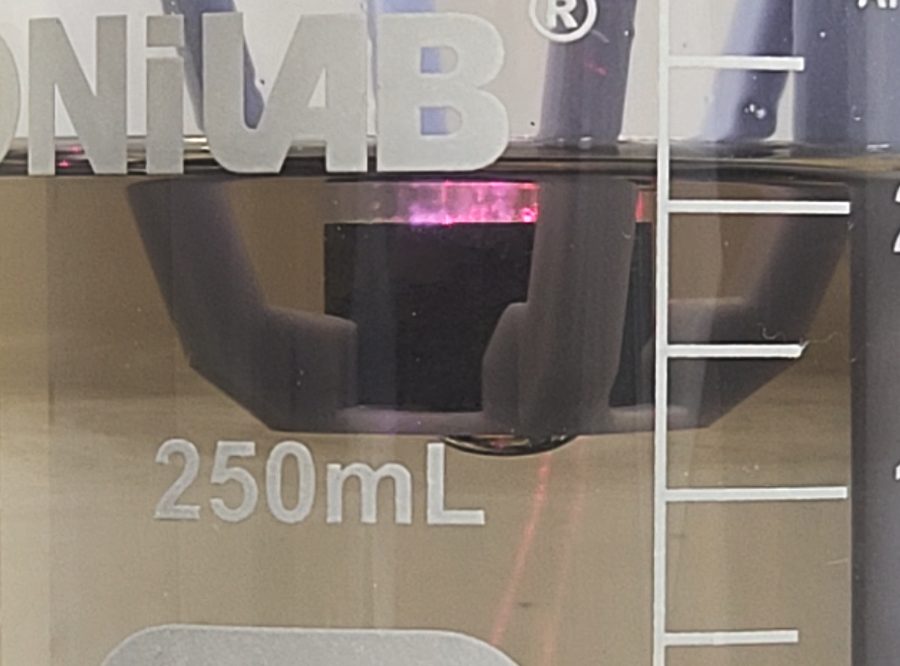
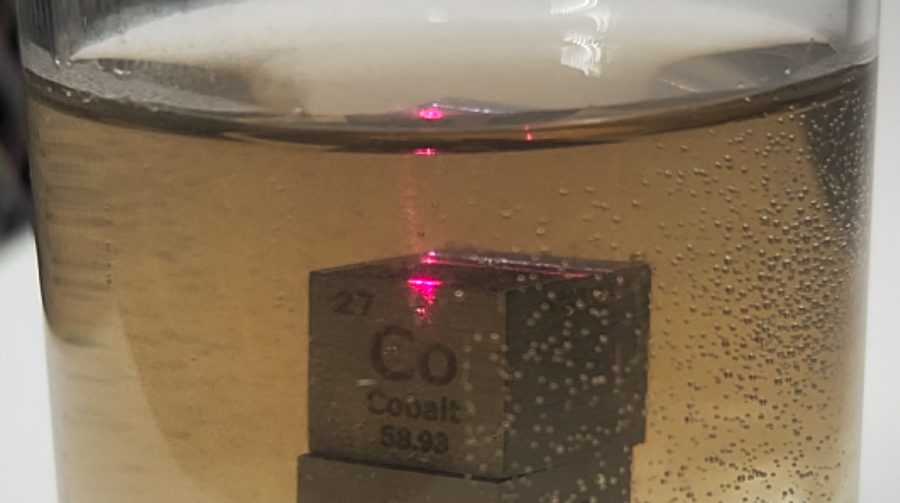
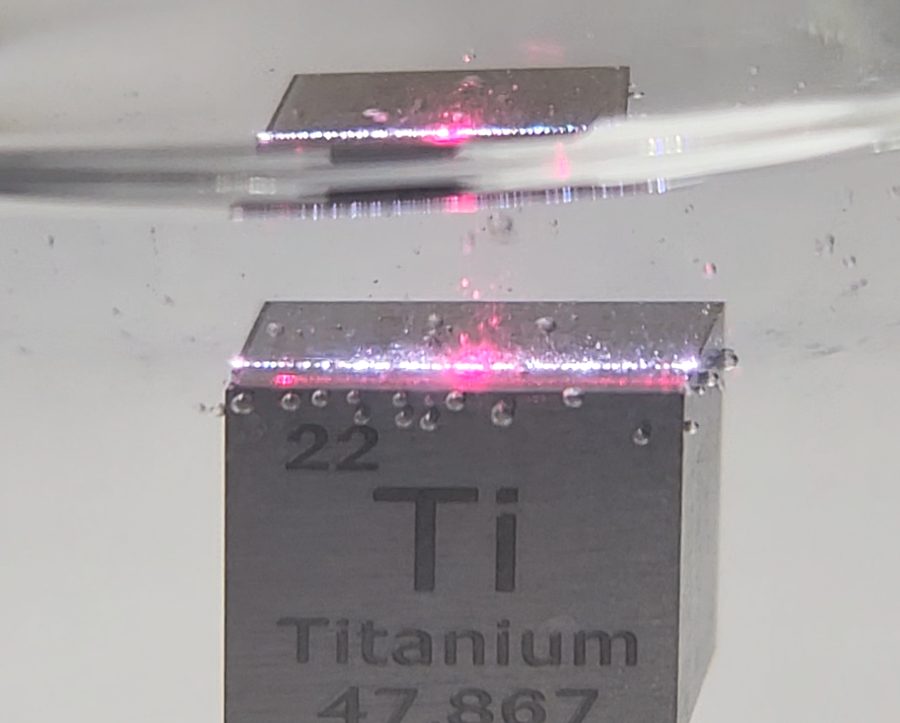
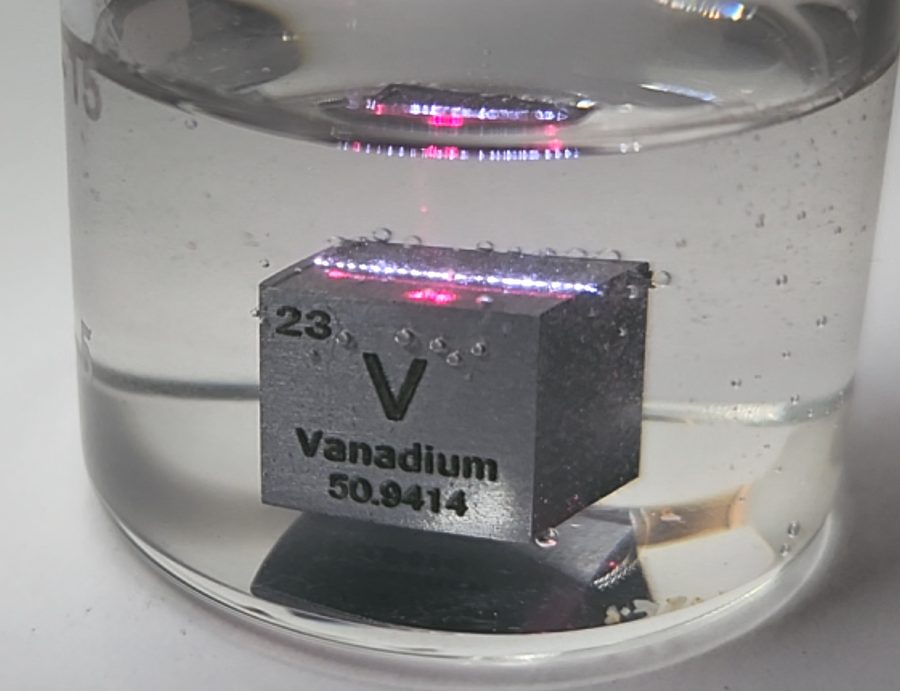
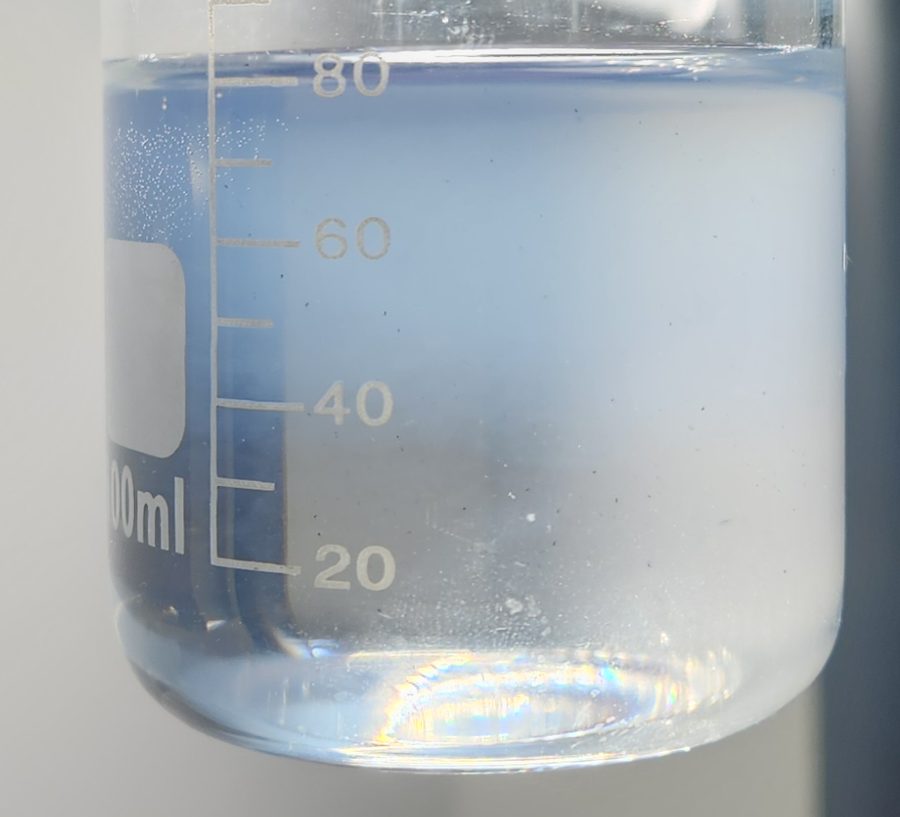
Photographs of laboratory experiments on laboratory laser systems; they do not show the PLAS-100S, which is under development. The red light is a visible pilot beam.